
4 November 2026
Manual call points let people raise the alarm by hand. Under BS 5839 they must be correctly sited, signed and maintained. Poor siting or missing signs can affect compliance and increase false alarms.
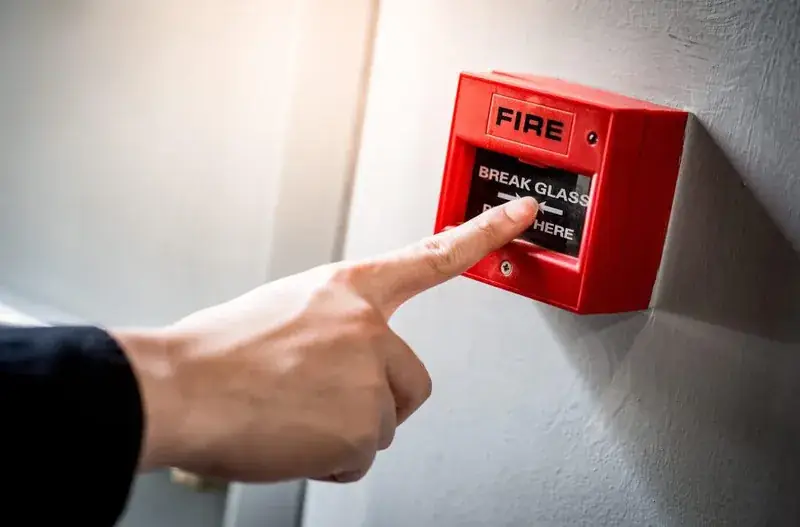
BS 5839-1 recommends manual call points on escape routes, particularly near exits and at each storey exit. People should not have to travel more than about 45 metres to reach one (30 metres in higher-risk areas), measured along the route of travel.
Call points should be mounted so the centre of the frangible element is between 1.2 m and 1.6 m above finished floor level. This keeps them within reach for most people, including wheelchair users where the route allows.
They should not be so high that they are hard to reach, or so low that they are easily knocked.
Each call point should have a sign that identifies it as a fire alarm call point. Signs should be:
Missing or unclear signs are a common finding on fire risk assessments and service visits.
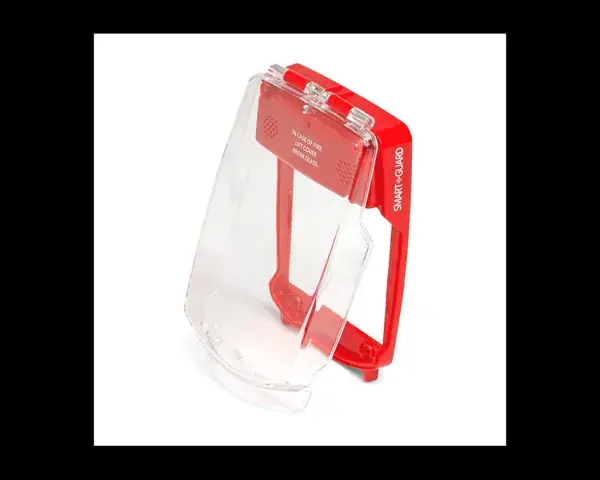
A protective cover (sometimes called a stoppers cover or lift cover) can reduce accidental or malicious activations. The user lifts the cover, then presses the call point.
Covers are especially useful where call points are in busy areas or where false alarms have been a problem.
Call points should be included in the weekly user test (operate a different one each week where practical) and checked during professional servicing. Damaged elements, missing signs or stiff covers should be replaced or repaired.
If you are unsure whether your call points meet BS 5839, we can review siting, signs and covers as part of a survey or service visit. Contact us to arrange.