
4 November 2026
Multi-sensor detectors combine more than one sensing element — typically smoke and heat — in a single device. They can be programmed to behave differently at different times of day, which helps reduce false alarms while still giving good protection.
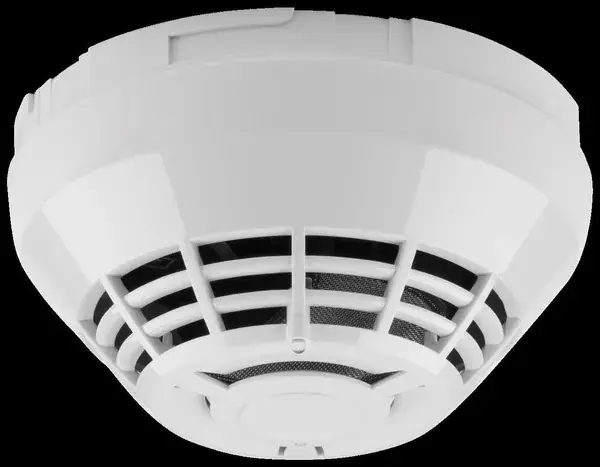
A multi-sensor (or multi-criteria) detector uses two or more technologies together. The most common combination is optical smoke and heat. Some also include carbon monoxide sensing.
Because the detector looks at more than one signal, it can distinguish real fires from cooking, steam or dust more effectively than a single-sensor device.
Many addressable systems allow detectors to switch mode automatically by time of day or by a manual change of use.
This is set up in the cause-and-effect programming so the system matches how the building is actually used.
Day/night modes must be designed as part of the fire strategy. The responsible person needs to understand when modes change and ensure weekly tests still cover the system correctly. Modes should be documented in the cause-and-effect matrix and reviewed if the building use changes.
If you are planning a new system or reviewing false alarms on an existing one, we can advise on multi-sensor detectors and suitable day/night programming. Contact us for a survey.